

Dental Crowns
Dental Crowns
What are dental crowns?
Crowns can be used to cover and protect damaged or weak teeth. They can also improve the appearance of misshapen or discoloured teeth. They are essentially metal or porcelain sleeves which fit over the tooth.
Making the crown
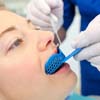
After preparation, an impression is taken of the tooth to be crowned and nearby teeth, using a soft mouldable material. This impression is given to a dental technician, who uses it to build your crown to the exact size and shape required. This will ensure that the crown fits comfortably and looks natural. When using porcelain crowns, the colour will also be matched to the natural teeth. Whilst the crown is being made, a temporary crown will be fitted. This will not be as strong as the final crown, but can still be chewed upon.
Preparation

Preparation time will vary depending on the condition of the damaged tooth. The tooth will be reshaped, to ensure that once the crown is fitted, it remains the same size and shape as the natural teeth. It may also need to be built up with a filling first. A local anaesthetic is usually given before preparation to keep you comfortable.
Fitting
Once the crown is ready, it will be tried in place and small adjustments made to ensure a comfortable bite is maintained. Once you and your dentist are happy, the crown is glued in place. Crowns are sometimes held in place with a small peg in your root canal, if there is a lot of the original tooth missing.
Dental Bridges
A way to replace missing teeth
Correct bite issues and prevent remaining teeth from drifting out of position
FIND OUT MORE

Caring for your crown
The crown can last for many years if good oral hygiene is maintained, depending on the condition of the original tooth. Additional care should be taken to keep the crown and surrounding area clean. Your dentist or dental hygienist will recommend an appropriate home care regime.
Is preparation for a crown painful?
Not usually. Local anaesthetic is used and the preparation should feel much like having a filling. If a tooth does not have a nerve following root canal treatment, then a local anaesthetic may not be needed.
Are crowns noticeable?
Your dentist will match the crown as closely as possible to the other teeth, in size, shape and colour. This should ensure that it fits comfortably and looks natural. Crowns may also be gold or silver coloured, usually placed at the back of the mouth.
How do I care for my crown?
The crown itself cannot decay, but decay can start where the edge of the crown joins the tooth. It is therefore important to clean this area thoroughly as you would with your natural teeth. Your crown will last longer if you look after it well.
All treatments are subject to a clinical assessment and may not be suitable for everyone. Your dentist will discuss the options, benefits, risks and costs with you before any treatment begins.